
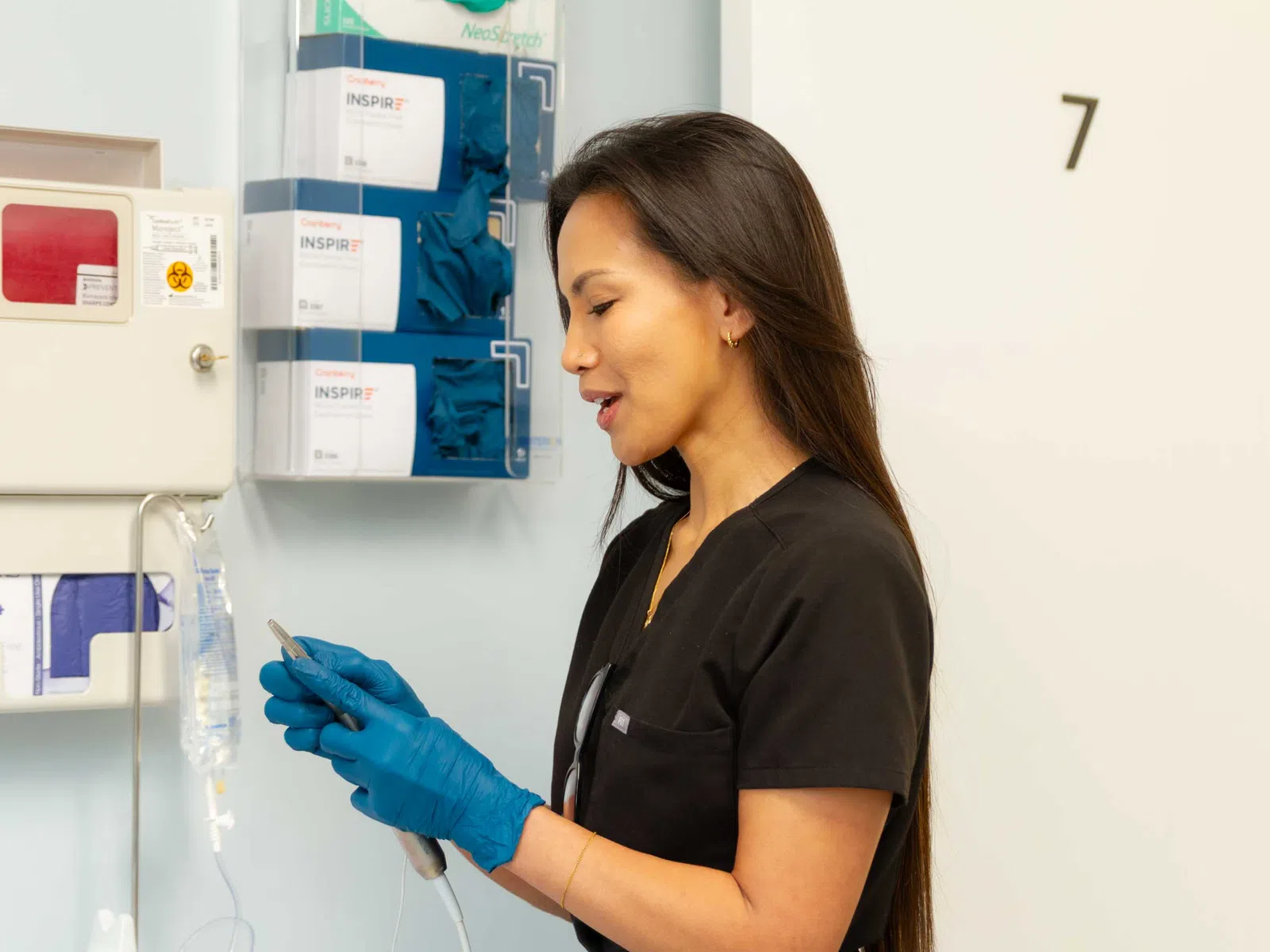
Apicoectomy / Pre-Prosthetic Surgery
Keep Your Smile Intact
Save a Tooth or Prepare for New Teeth With an Apicoectomy or Pre-Prosthetic Surgery in Virginia Beach
A healthy foundation makes every next step in your dental care easier, whether you want to keep a tooth or get ready for new ones. Our board-certified oral and maxillofacial surgeons can provide an apicoectomy or pre-prosthetic surgery in Virginia Beach to help you reach your goals.
If infection keeps returning after a root canal, an apicoectomy can clear it from the tip of the root. This minor surgery often saves a tooth that might otherwise need extraction. Pre-prosthetic surgery reshapes the bone and gums so dentures or other replacement teeth fit securely and feel comfortable. Smoothing sharp ridges or removing extra tissue can make a big difference in how your new teeth feel.
Advanced imaging guides each procedure, and IV sedation is available to help you relax. Schedule a consultation to learn more about these procedures.
Learn the Benefits of These Surgical Procedures
An apicoectomy treats infection that lingers at the root tip after a root canal is performed. It's often the next step when a second root canal isn't practical. Your surgeon opens a small area in the gum and removes the infected tissue along with the very tip of the root. A tiny filling then seals the root end. Over the next few months, the bone heals around the tooth.
Pre-prosthetic surgery prepares your mouth for dentures or other replacement teeth. Sharp or uneven bone ridges can cause sore spots under a denture. Our surgeons smooth these areas and remove extra gum tissue so your prosthetic sits flat and stays steady. Taking care of these issues before your new teeth arrive means fewer adjustments and a better fit later.
To find out if you need an apicoectomy or pre-prosthetic surgery in Virginia Beach, contact our team today.
Natural Tooth Saved
An apicoectomy lets you keep your natural tooth instead of replacing it with an implant or bridge.
Lasting Infection Relief
Removing infected tissue at the root tip clears the source of ongoing pain and swelling around the tooth.
Quick Recovery
Most people return to a normal routine within a day or two after minor root-end surgery.
Better Denture Fit
Smoothing bone ridges helps dentures sit flat, so they feel more stable when you eat and talk.
Fewer Sore Spots
Reshaping uneven bone and extra tissue reduces the rubbing and pressure that make new dentures uncomfortable.
Frequently Asked Questions About Apicoectomies and Pre-Prosthetic Surgery
Q What is an apicoectomy?
An apicoectomy is a minor surgery that removes infected tissue and the tip of a tooth's root. It is used when infection remains after a root canal. The surgeon seals the end of the root with a small filling. This procedure often saves a tooth that would otherwise need to be extracted.
Q When is an apicoectomy needed instead of a second root canal?
An apicoectomy is often needed when a second root canal isn't practical. A large crown or post may block access to the canals. Some roots also have curves or small branches that standard cleaning can't reach. In these situations, treating the root tip directly gives the tooth its best chance.
Q Does an apicoectomy hurt?
An apicoectomy usually does not hurt because local anesthesia numbs the area during surgery. Some people also choose IV sedation to stay relaxed. Mild soreness and swelling are common for a few days afterward. Ice packs and over-the-counter pain relief help most people stay comfortable while the gum and bone heal.
Q How long does it take to recover from an apicoectomy?
Recovery from an apicoectomy usually takes a few days for the gums to feel normal. Most people return to work or school within a day or two. Stitches are often removed about a week later. The bone around the root tip continues healing over the next several months. Soft foods help early on.
Q What is pre-prosthetic surgery?
Pre-prosthetic surgery prepares the mouth for dentures or other replacement teeth. It may involve smoothing sharp bone ridges or removing extra gum tissue. These changes create an even base so the prosthetic fits securely. Without this important step, some dentures rock or rub against sore spots during meals and conversations.
Q What procedures are part of pre-prosthetic surgery?
Pre-prosthetic surgery includes several procedures that reshape the mouth for replacement teeth. Alveoloplasty smooths and contours the jawbone. Bony growths called tori can be removed from the palate or lower jaw. Extra gum tissue may also be trimmed. Bone grafting sometimes adds height where the jaw ridge has shrunk over time.
Q Can pre-prosthetic surgery be done at the same time as tooth extractions?
Pre-prosthetic surgery can often be done at the same time as tooth extractions. After removing the teeth, the surgeon smooths the remaining bone in the same visit. Combining these steps can shorten overall treatment time. It also helps an immediate denture fit better from the start. This means fewer separate surgeries.
Q How long is recovery after pre-prosthetic surgery?
Recovery after pre-prosthetic surgery usually takes about one to two weeks for the gums to heal well. Mild swelling and tenderness are common in the first few days. Soft foods help during early healing. Most people can be fitted for their new dentures or replacement teeth after the area fully heals.

