
Wisdom Teeth Removal for Students
Prevent Crowded & Crooked Teeth
Avoid Future Problems Through Wisdom Teeth Removal for Students in Norfolk
Taking care of wisdom teeth before your child heads off to college or starts a busy school year can prevent painful problems at the worst possible time. You can book a consultation for wisdom teeth removal for students in Norfolk without a referral, and a board-certified oral surgeon will perform the procedure.
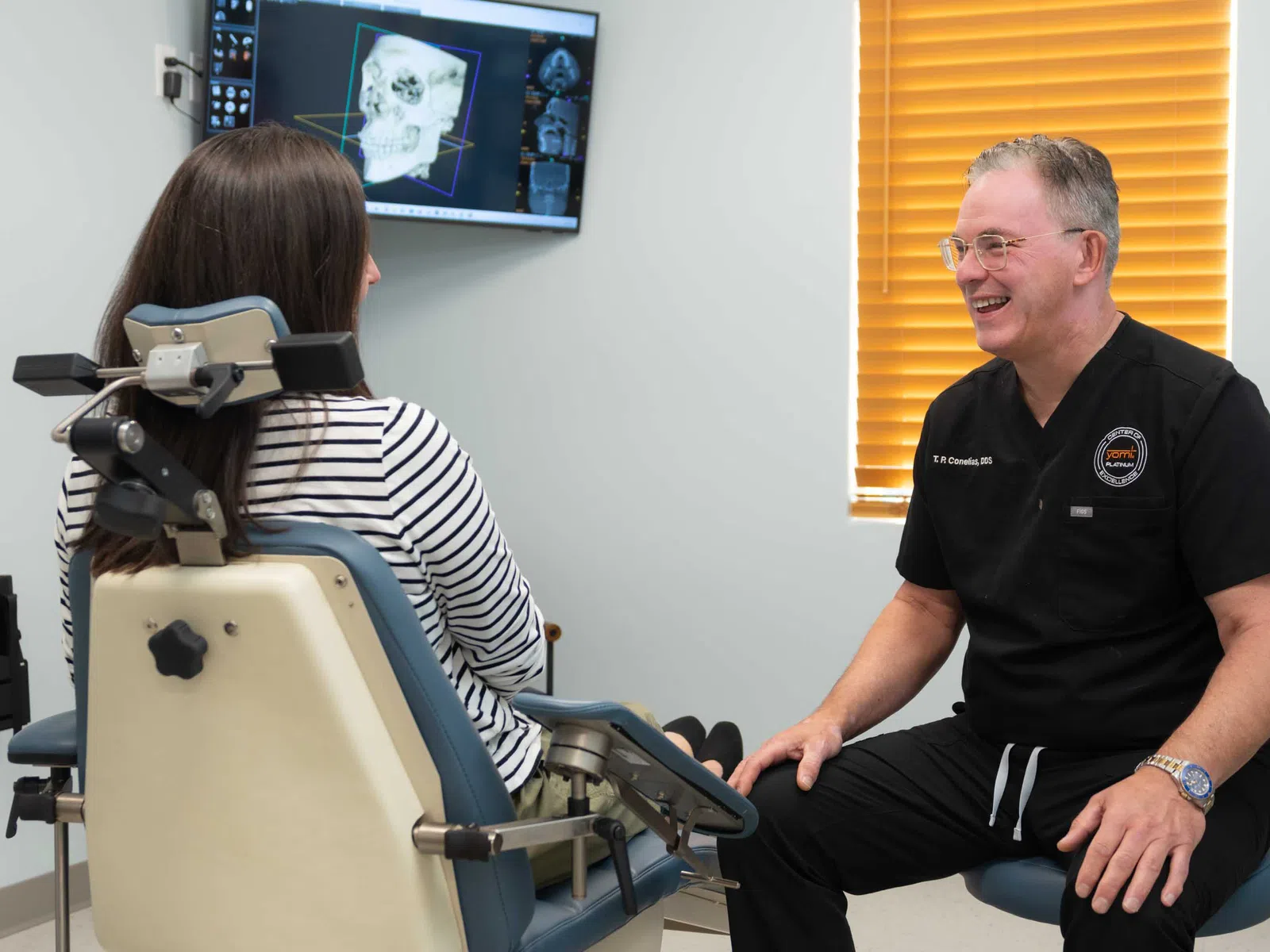
We'll review imaging with you and explain whether wisdom teeth removal makes sense now. If surgery is the right choice, in-office IV sedation helps your teen stay calm and comfortable. Our surgeons may also use platelet-rich fibrin (PRF), made from your child's own blood, to aid healing. Exparel, a long-acting numbing medicine, can ease their soreness and limit the need for opioids during recovery.
Your family will leave with step-by-step aftercare guidance. Schedule a consultation to find a surgery date that works around your student's schedule.
See How Removing Wisdom Teeth Protects Your Child’s Oral Health
The student years are a smart time for wisdom teeth removal because the roots are often still developing and the jawbone is less dense. These factors can make surgery simpler and healing smoother. Waiting until adulthood can make removal more involved.
Many wisdom teeth don't have enough room to come in properly. They may stay trapped under the gums or press against nearby molars. Because these problems often cause no pain at first, an exam helps catch them early.
Moving away to college can make dental care harder to fit in. Handling wisdom teeth beforehand means your student is less likely to face a painful flare-up far from home. Working with a board-certified oral surgeon ensures an excellent outcome. A surgeon has advanced expertise with surgical extractions.
Learn more about wisdom teeth removal for students in Norfolk. Contact our office today for a consultation.
Simpler Surgery
Removing wisdom teeth while the roots are still forming can make the procedure easier and less involved.
Faster Healing
Teens and young adults usually bounce back quickly, so your student can return to normal routines sooner.
College-Ready Smile
Taking care of wisdom teeth before college lowers the chance of painful problems during the semester.
Lower Infection Risk
Removing partially erupted wisdom teeth helps prevent gum infections that can develop around hard-to-clean molars.
Gentle Recovery Options
Platelet-rich fibrin and Exparel anesthetic may be added to your student's care to ease soreness and help healing begin.
Frequently Asked Questions About Wisdom Teeth Removal for Students
Q Should wisdom teeth be removed before college?
Having wisdom teeth removed before college is often a smart choice when imaging shows potential problems. Recovering at home with family nearby is easier than healing in a dorm. It also helps avoid painful flare-ups during exams or far from home. Summer before freshman year is a popular time for this surgery.
Q Do all students need their wisdom teeth removed?
Not all students need their wisdom teeth removed. Some wisdom teeth grow in straight with enough room and stay healthy. Others become trapped or press on nearby molars. An exam and imaging show whether removal is recommended or whether the teeth can be monitored over time.
Q What are impacted wisdom teeth?
Impacted wisdom teeth are third molars that can't fully break through the gums. They may stay trapped in the jawbone or come in at an angle. Partially erupted teeth can trap food and bacteria, raising the risk of infection. Impacted teeth are common in teens and young adults because the jaw often lacks enough room.
Q How many wisdom teeth do most people have?
Most people have four wisdom teeth, one in each back corner of the mouth. Some people have fewer, and a small number never develop any at all. Rarely, extra wisdom teeth form. Dental X-rays during the teen years show how many are present and how they are positioned in the jaw.
Q What types of anesthesia are used for wisdom teeth removal?
Wisdom teeth removal can be performed with local anesthesia alone or combined with IV sedation. Local anesthesia numbs the area, while IV sedation helps the student feel deeply relaxed. The choice depends on the complexity of the surgery and the student's comfort level.
Q Can wisdom teeth grow back after removal?
Wisdom teeth cannot grow back after removal. Once a tooth and its root are taken out, it does not regenerate. In rare situations, a person has an extra wisdom tooth that wasn't visible earlier. Follow-up X-rays can confirm whether any additional teeth are developing. This can make it seem like one grew back.
Q What are the risks of leaving impacted wisdom teeth in place?
Leaving impacted wisdom teeth in place can lead to gum infections and decay in nearby molars. Over time, a cyst may form around a trapped tooth and damage the jawbone. These problems often develop without early symptoms. Regular imaging helps catch changes before they become harder and more costly to treat.
Q When can you brush after wisdom teeth removal?
You can usually brush the other teeth gently the night of wisdom teeth surgery while avoiding the extraction sites. Gentle saltwater rinses often begin about 24 hours after surgery. Normal brushing near the sockets can resume gradually as healing progresses. Following the surgeon's aftercare instructions helps prevent infection and dry socket.

