
Facial Trauma Reconstruction
Get Comfortable Surgery With Sedation
Restore Function & Natural Balance With Facial Trauma Reconstruction in Norfolk
Recovering from a facial injury is easier when you know your smile and features can be carefully restored. Skilled repair helps you eat comfortably and smile with ease again. Our surgeons provide facial trauma reconstruction in Norfolk for injuries such as a fractured jaw or damaged teeth.
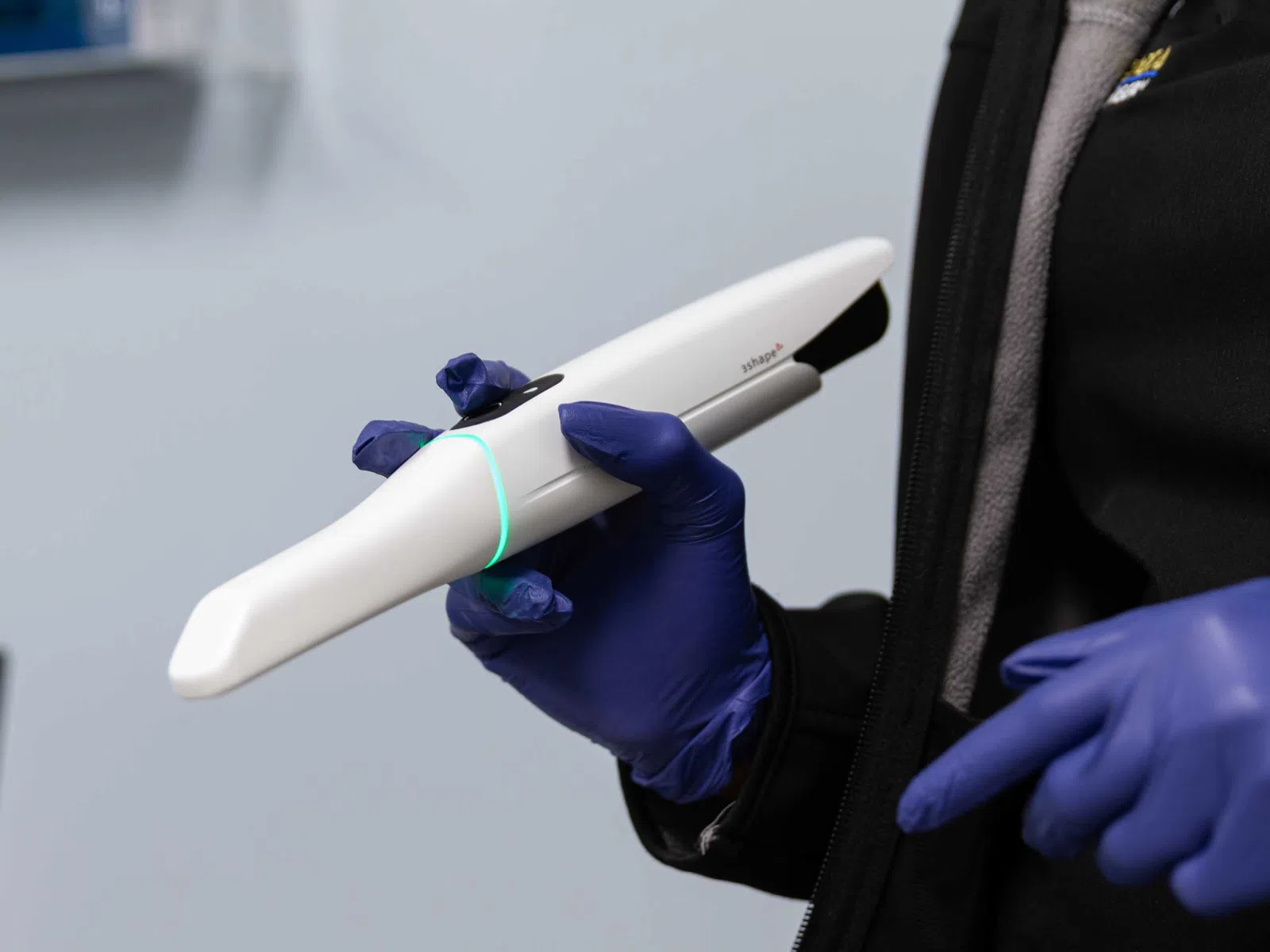
Detailed 3-D imaging shows the full picture of the damage. Our surgeon will examine your injuries closely before guiding bones and tissue back into healthy alignment. Gentle, precise care helps protect your appearance while restoring how your teeth fit together.
When an injury leads to lost teeth or bone, bone grafting can rebuild the area and dental implants can replace missing teeth. With the right care, you can return to the activities you enjoy. Schedule a consultation to begin your path to healing.
Learn How Facial Injuries Can Affect Your Bite & Smile
Injuries to your face can affect your bite and smile by shifting your jaw or damaging teeth and gums. You might notice teeth that no longer meet evenly or soreness when you chew. A chipped or loosened tooth can also signal more serious damage below the gumline.
Healing usually happens in stages. First, your surgeon will gently realign the affected area and help it stay stable while the bone mends. Soft foods and rest protect the site during the first several weeks. Follow-up visits track your progress and catch any changes early.
Once the area has healed, attention turns to rebuilding your smile. Bone grafting can restore lost jawbone, and dental implants renew your bite and smile by supporting replacement teeth.
Find out how facial trauma reconstruction in Norfolk can help put your mouth and jaw back in order. Contact us today for a consultation.
Even Bite Alignment
Careful realignment helps your upper and lower teeth meet properly so chewing feels natural again.
Protected Facial Features
Gentle repair of bone and tissue helps preserve the shape and symmetry of your face.
Rebuilt Jawbone
Bone grafting restores areas lost to injury, creating a firm base for future implants and healthy teeth.
Lifelike Tooth Replacement
Dental implants replace teeth lost in an injury with crowns that look and feel like natural teeth.
Steady Progress Monitoring
Regular follow-up visits help catch changes early and keep your healing on track from week to week.
Frequently Asked Questions About Facial Trauma Reconstruction
Q What are the signs of a broken jaw?
Signs of a broken jaw include pain when chewing and teeth that suddenly don't fit together evenly. Swelling or bruising along the jaw is common. Some people notice numbness in the lower lip or trouble opening the mouth fully. Imaging confirms whether the bone is fractured and guides the next step in care.
Q Can a cracked tooth be saved after an injury?
A cracked tooth can often be saved after an injury, depending on how deep the crack goes. Small cracks may be repaired with bonding or a crown. Cracks that extend below the gumline or into the root may require extraction. In that situation, a dental implant can replace the tooth.
Q What is a cheekbone fracture?
A cheekbone fracture is a break in the bone that forms the upper cheek and part of the eye socket. It often causes swelling or a flattened look in the cheek. Some people notice numbness below the eye. Treatment depends on how far the bone has shifted. Minor fractures may heal without surgery.
Q Can facial injuries damage nerves?
Facial injuries can damage nerves, sometimes causing numbness or tingling in the lips or cheeks. Nerves often recover slowly over weeks to months as healing continues. In some situations, feeling may not fully return. Careful evaluation helps track nerve function during recovery. Reporting changes in sensation at follow-up visits helps your care team adjust treatment.
Q How long before I can get implants after a facial injury?
You can usually get implants a few months after a facial injury, once bones and gums have healed. If bone was lost, grafting may come first and need several more months to mature. In some situations with healthy bone, an implant can be placed sooner. Imaging confirms when the area is ready.
Q Will my face look the same after healing from a facial injury?
Most people's faces look very similar to before after healing from a facial injury. Careful realignment of bones helps restore natural shape and symmetry. Incisions are often placed inside the mouth or in hidden creases. Swelling can take weeks to fully fade, so final appearance becomes clear over time. Severe injuries may leave small changes.
Q Can children have facial trauma reconstruction?
Children can have facial trauma reconstruction when injuries affect the jaw or teeth. Because young bones are still growing, treatment is planned carefully to avoid disrupting development. Many childhood fractures heal well with minimal intervention. Damaged baby or adult teeth may also be repaired or monitored as the child grows.
Q Do all facial injuries need surgery?
Not all facial injuries need surgery. Small fractures that haven't shifted may heal with rest and a soft diet. Minor cuts can often be treated with simple stitches. Surgery is usually recommended when bones are out of place or the bite no longer fits together properly. An exam with imaging shows which care is needed.

