
Oral Pathology
Feel Good About Your Oral Health
Take Control of Your Dental Health With Oral Pathology in Norfolk
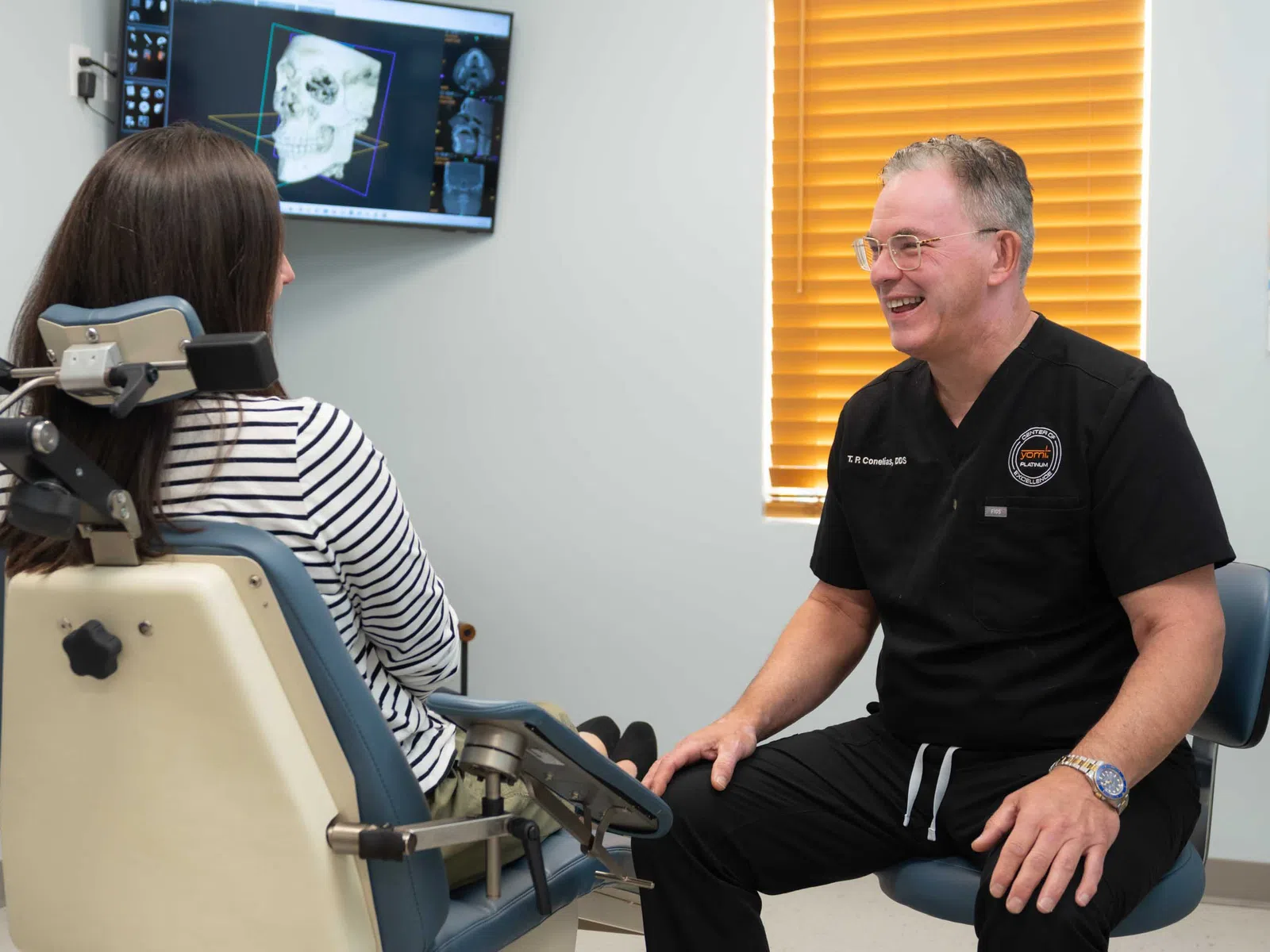
Getting a suspicious spot in your mouth checked early lets you move from wondering to knowing. Prompt answers also mean simpler treatment if anything needs attention. Our experienced surgeons handle oral pathology in Norfolk, looking closely at sores or swelling that haven't gone away. Some problems sit deep in the jawbone, so advanced digital imaging may be used to look below the surface. A biopsy can identify exactly what the tissue is when a closer look is needed.
Most findings are benign, and many trouble spots can be removed in a minor procedure. Taking off a benign growth can ease irritation and stop it from getting larger. If testing reveals something more serious, our team will help you take the next step in your care. Schedule a consultation to have any concerning change evaluated.
Learn Which Mouth Conditions Benefit From a Specialist’s Evaluation
Mouth conditions that benefit from a specialist's evaluation include lasting growths on soft tissue and cysts hidden in the jawbone. Common benign examples include salivary gland bumps and firm, smooth growths from repeated cheek biting. Some cysts form around unerupted teeth and slowly enlarge without pain.
During a biopsy, your surgeon will numb the area and remove a small tissue sample for lab testing. When a growth is clearly benign, the surgeon may remove it entirely in one step. Stitches may close the site, and healing is usually quick. Results usually return within one to two weeks.
Routine oral cancer screenings add another layer of protection by catching subtle changes early. If a finding is malignant, our team will explain the results and help you coordinate the next step in care.
Protect your health through oral pathology in Norfolk. Contact us today for an appointment.
Peace of Mind
Prompt testing replaces uncertainty with clear facts about what's happening in your mouth, so you can plan ahead.
One-Step Treatment
Many benign growths can be removed and tested in the same visit, saving you extra appointments.
Jawbone Protection
Finding and removing cysts early helps prevent them from weakening the bone or shifting nearby teeth.
Ongoing Monitoring
Regular screenings track changes over time, so new concerns are caught before they grow or spread.
Coordinated Care
If a serious diagnosis is made, our team guides you to the next step for proper care and follow up.
Frequently Asked Questions About Oral Pathology
Q What is oral pathology?
Oral pathology is the area of dental care focused on diagnosing and treating diseases of the mouth and jaws. It covers everything from harmless bumps to cysts inside the bone. Specialists use exams and lab testing to identify each condition. Early diagnosis makes treatment simpler and more effective. Most findings turn out to be benign.
Q What is leukoplakia?
Leukoplakia is a white or gray patch inside the mouth that can't be wiped away. It often forms on the cheeks or tongue. Tobacco use is a common cause. Most patches are benign, but some can show early precancerous changes. A biopsy helps determine whether treatment or monitoring is needed.
Q What causes mouth lesions?
Mouth lesions are often caused by irritation from biting or rough teeth or dentures. Infections and tobacco use can also lead to sores or patches. Some lesions come from blocked salivary glands. Less often, a lesion is related to precancerous or cancerous changes, which is why lasting spots need professional evaluation.
Q What is a ranula?
A ranula is a fluid-filled swelling under the tongue caused by a blocked or damaged salivary gland. It often looks like a soft, bluish bump. Small ranulas may cause no trouble, but larger ones can interfere with speaking or swallowing. Treatment usually involves removing the affected gland to prevent the swelling from returning.
Q How should I prepare for an oral biopsy?
Preparing for an oral biopsy is usually simple. Share your medical history and list of medications, especially blood thinners. Eat a light meal beforehand unless sedation is planned. Bring any previous imaging or records. Plan for a little rest afterward, though most people resume normal activities the same day or next.
Q Does tobacco cause oral lesions?
Tobacco use is one of the leading causes of oral lesions. Smoking and chewing tobacco can create white patches and slow-healing sores. Over time, these changes may become precancerous. Quitting lowers the risk and may help some patches fade. Anyone who uses tobacco benefits from regular oral exams and screenings.
Q What is the difference between benign and malignant oral lesions?
Benign oral lesions are noncancerous growths that do not spread to other parts of the body. Malignant lesions are cancerous and can invade nearby tissue or spread elsewhere. Benign lesions are far more common. Because both can look similar, a biopsy is the only reliable way to tell them apart.
Q How often should I check my mouth for changes?
Checking your mouth for changes once a month is a good habit. Use a mirror and bright light to look at your cheeks and tongue. Gently feel for lumps along the jaw and neck. Report any sore or patch lasting more than two weeks to a dental professional. Check under the tongue too.

