
Tooth Extractions
Get Your New Smile After Extraction

Begin Your Smile Improvement With Tooth Extractions in Norfolk
An unhealthy tooth can do more than cause occasional discomfort. When severe damage, infection, or other complications make a tooth impossible to preserve, removal may be necessary to protect the rest of your smile. Our board-certified oral and maxillofacial surgeons provide tooth extractions in Norfolk to help patients address dental problems and prevent further complications.
Removing a problematic tooth can relieve persistent discomfort, eliminate a source of infection, and protect neighboring teeth and tissues. It may also create an opportunity to replace a missing tooth with a dental implant, helping preserve chewing function and oral health over time.
Whether you're dealing with a broken tooth, troublesome wisdom teeth, or another concern, receiving appropriate surgical care can help you move forward with greater comfort and confidence. Schedule a consultation to discuss your needs and take an important step toward a healthier smile.
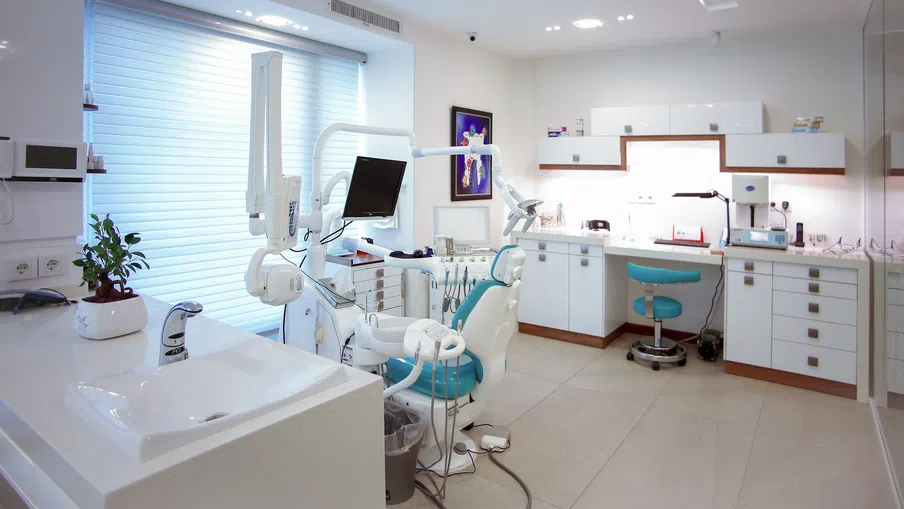
Resolve Dental Problems With Specialized Surgical Care
Tooth removal is sometimes the most effective option when a tooth cannot be repaired or is interfering with the health of surrounding structures. While some extractions are relatively straightforward, others require surgical access because of unusual root anatomy, extensive damage, or a tooth's position beneath the gums.
Your oral surgeon begins by examining the affected area and reviewing diagnostic images to assess the roots, jawbone, and nearby anatomical structures. Depending on the complexity of your case, the procedure may involve removing the tooth in sections or carefully accessing it through the surrounding tissue. Local anesthesia is used to numb the area, and IV sedation is available for appropriate patients.
After extraction, protecting the surgical site is essential for proper healing. Your surgeon will explain how to manage swelling, care for the extraction area, and avoid activities that could disrupt the developing blood clot. If tooth replacement is part of your treatment plan, the possibility of immediate implant placement or future bone grafting may also be discussed.
Consider how tooth extractions in Norfolk can eliminate dental concerns that threaten your oral health and prepare you for the next stage of care.
Remove Teeth Beyond Repair
Severely fractured or extensively decayed teeth may need removal when their remaining structure cannot support predictable restorative treatment.
Address Persistent Infections
Extraction may be recommended when an infected tooth cannot be successfully treated or preserved, helping eliminate the source of the dental infection.
Manage Problematic Wisdom Teeth
Third molars that are impacted, painful, or contributing to other complications can be surgically removed to protect nearby teeth and tissues.
Prepare for Dental Implants
When conditions are favorable, an implant may be placed immediately after extraction. Other patients may benefit from bone grafting or a period of healing before implant surgery.
Receive Care With IV Sedation
IV sedation offers an additional comfort option for eligible patients undergoing complex extractions or multiple tooth removals during one appointment.

